
Exploitation of Facilities
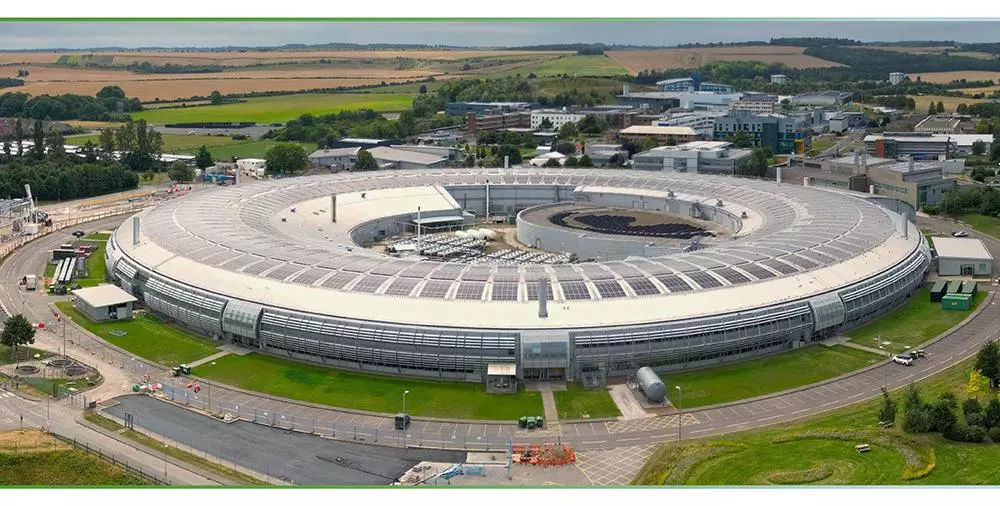
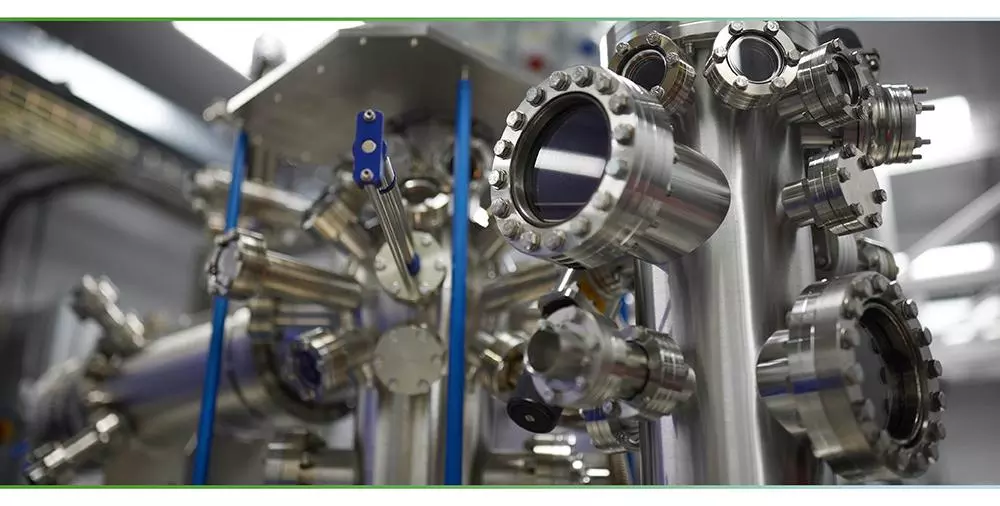
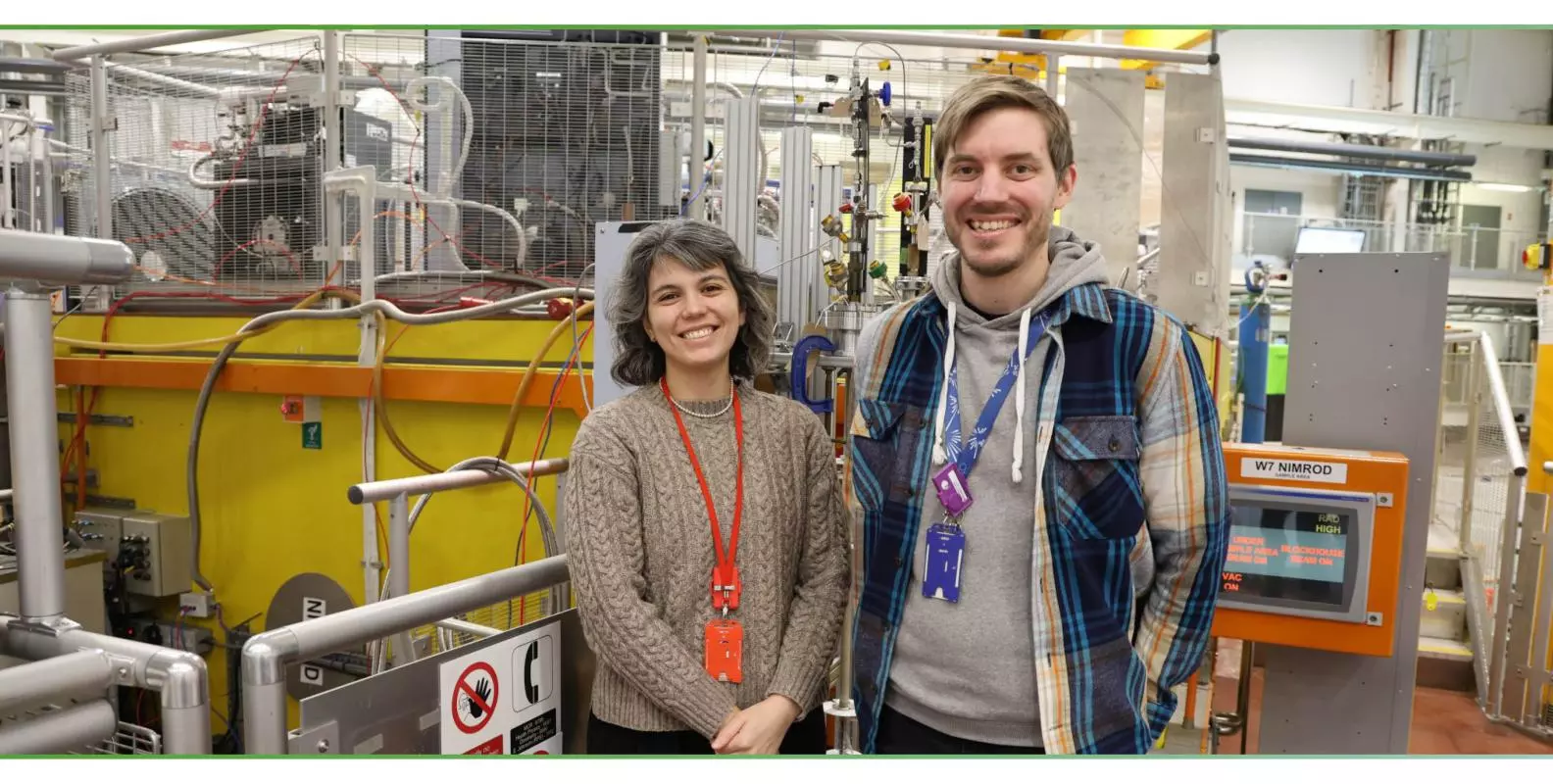
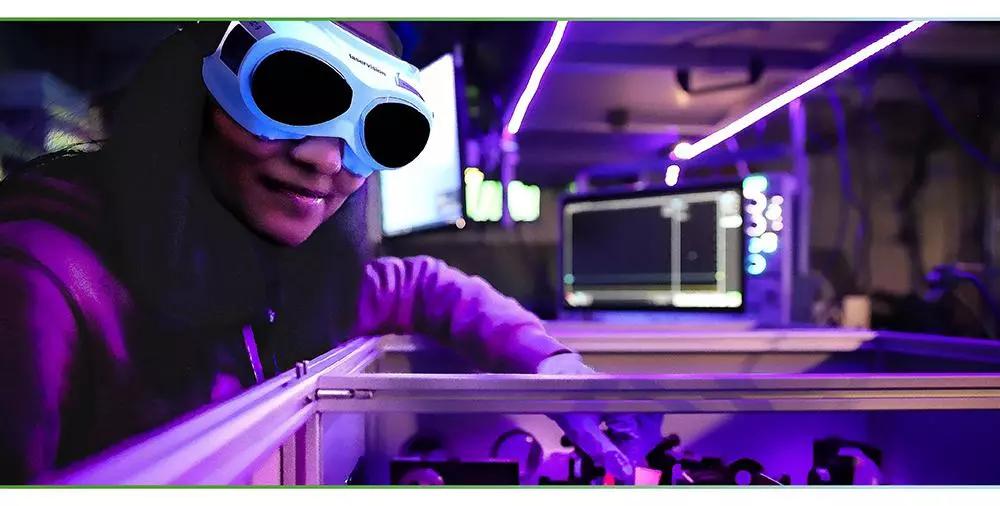
A key component of the work of the Hub has been its strong relationships with the world leading facilities on the Harwell campus including the Diamond Light Source, the ISIS Neutron and Muon Source and more recently the Central Laser Facility (CLF); where work of the Hub team has not only led to the growing and successful use of the facilities in catalytic science, but has also contributed to their development.
Johnson Matthey have also played an instrumental role in helping to introduce the CLF to catalysis and are putting in £15k of support for an in situ cell to do FLIM (via Naomi Omori's iCASE project) and have supported Andy Beale's Kerr Gated Raman and FLIM proposals. They provided funding for Andy Beale to build an in situ Kerr Gated Raman cell. Johnson Matthey also helped to support the catalysis work at ISIS too and sponsored Alex O'MAlley (£10k) to work on QENS for catalysis and have collaborated with Stewart Parker and David Lennon in this area extensively via the two iCASE projects running on INS and QENS.
Notable achievements include:
Techniques especially neutron spectroscopy. Here the hubs strong relationship with ISIS has focused on community engagement, advocacy as well as scientific research through conference and workshops (neutrons for catalysis November 2015) and has led to a large increase in the use of neutron techniques for catalysis. Particularly notable has been the rapid growth in the use inelastic neutron scattering (INS) for in situ spectroscopy and Quasi Elastic Neutron Scattering (QENS) for probing molecular transport. These and other applications are highlighted in a recent special issue of the RSC journal PCCP(http://pubs.rsc.org/en/journals/journalissues/cp#!issueid=cp018026&type=current&issnprint=1463-9076) which was edited by Hub scientists. The Hub is also incentivising instrument upgrades and is the major driver for the proposed catalysis lab within ISIS. And New users to ISIS through the hub include:
- Andrew York, Iain Hitchcock, Paul Collier (Johnson Matthey) – OSIRIS (QENS), collaboration arising from Hub summer event (2 publications
- Robert Raja (Soton) – OSIRIS (QENS), MAPS/TOSCA (INS), collaboration through hub collaboration (2 publications)
- Luids Gomez Hortiguela (ICP -institute of catalysis and petrochemisty, Madrid) – OSIRIS (QENS), Collaboration arising from discussioms at BZA zeolite conference, (publication expected soon)
- Paul Cox (Portsmouth) – OSIRIS (QENS), collaborations intiated from discussions at IZC zeolite conference
Over the last five years we provided high throughput sample environments for both in situ and ex situ XAFS analysis, reactive gas environments for Quasielastic Neutron Scattering and an in situ spatially resolved plug flow reactor for neutron diffraction of liquid phase heterogeneously catalysed reactions with combined liquid phase composition analysis. We are currently working on high pressure and multi capillary reactors for in situ and operando experiments.
The development of The Catalysis Data Infrastructure and The Catalysis Research Workbench will enable further and easier exploitation of stored experimental data and assist in the characterisation or structure solution of catalytic compounds by integrating experimental and computational techniques.
Find out about UK Catalysis Hub Block allocation access (BAG) calls on our BAG page.
References:
- W.T. Price, et al., Sci. Adv. (2017),3.
- W.T. Price, et al., Angew. Chem. Int. Ed. (2015),54 9886-9889.
- Vamvakeros et al. Manuscript in preparation (2017).
- Lezcano-Gonzalez, et al., Angew. Chem. Int. Ed. (2016),55 5215-5219.
For more information about the centre and its research activities please contact
Dr Josie Goodall (josie.goodall@rc-harwell.ac.uk)
For information about using the UK Catalysis Hub labs and equipment, please contact the Laboratory Manager - Oliver Hodson. His working hours are 9 - 5PM, Monday - Wednesday.